

Angola and São Tomé and Príncipe strengthen their commitment to energy efficiency and the modernization of public lighting
Angola and São Tomé and Príncipe have been making steady progress in promoting energy efficiency and modernizing public lighting, through initiatives that prioritize sustainable solutions, reduced energy consumption and improved quality of life, as part of broader energy transition strategies.
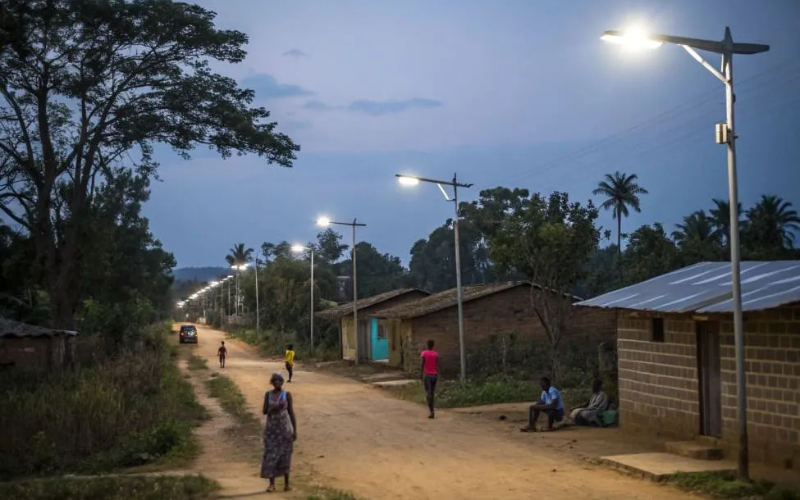
In Angola, Sonangol, through its subsidiary SonaGás Energias Renováveis, has successfully implemented a solar public lighting project, reinforcing its commitment to decentralised and more energy‑efficient solutions. This initiative forms part of the Sonangol Group’s energy transition strategy and contributes to emissions reduction, lower dependence on fossil fuels and increased reliability of public lighting, particularly in areas with limited access to the electricity grid.
At the same time, in São Tomé and Príncipe, the Ministry of Infrastructure launched a tender for the supply and installation of 1,000 LED lamps for public lighting, to be implemented by the Water and Electricity Company (EMAE). The initiative is part of an energy transition and institutional support project financed by the African Development Bank (AfDB), with the aim of improving the efficiency of the public lighting system, reducing operating costs and increasing the durability of infrastructure.
This effort gains further momentum with the recent approval by the African Development Bank of €21 million in financing to support São Tomé and Príncipe’s energy transition, reinforcing investments in energy efficiency, infrastructure modernisation and the sustainability of the electricity sector.
Taken together, these initiatives highlight a growing trend across Portuguese‑speaking African countries towards the modernization of public lighting as a strategic energy policy tool, aligned with objectives of sustainability, efficiency and energy transition. The involvement of public companies, government entities and development finance institutions further underscores the importance of integrated, resilient solutions adapted to local contexts.