


Guinea‑Bissau advances in the validation of its National Energy Policy
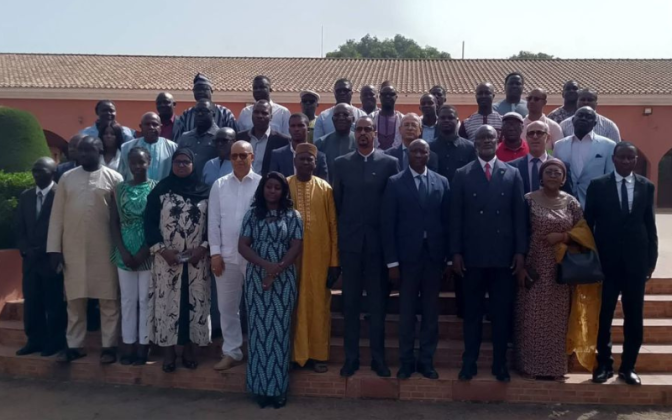
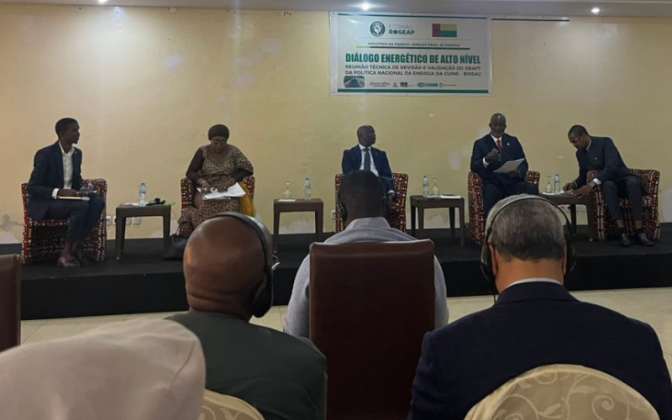
Guinea‑Bissau has taken a decisive step in strengthening its energy sector with the organisation of the Retreat for the Review and Validation of the National Energy Policy, which took place between 7th and 10th April.
Over four days of technical work, representatives from government institutions, international partners, the private sector and civil society analysed and consolidated the five strategic pillars of the country’s future energy policy – governance and institutional strengthening; infrastructure and markets; universal access to energy; sustainability and energy security; and entrepreneurship and innovation.
ALER played a central role throughout the process, having been invited by the Ministry of Energy of Guinea‑Bissau to provide technical assistance for the development of the National Energy Policy. Throughout the process, including two field missions, ALER worked directly with different stakeholders, gathering inputs, priorities and proposals from across the energy sector, which were subsequently integrated into the drafting of the strategic document.
The retreat helped strengthen institutional alignment, promote national ownership of the policy and prepare the final version of the National Energy Policy, a key instrument to guide investment, improve the institutional framework and accelerate access to sustainable energy in the country.
The development of Guinea‑Bissau’s National Energy Policy is supported by the Regional Off‑Grid Electricity Access Project (ROGEAP), financed by ECOWAS, the World Bank and international partners, with continuous technical assistance from ALER, from the initial preparation phase through to the validation of the document.
This engagement reflects the role promoted by ALER across Portuguese‑speaking African countries: supporting the strengthening of public policies, improving energy sector governance and creating conditions for a structured energy transition, based on national priorities and inclusive dialogue among sector stakeholders.